A Master Calligrapher and Poet Who Transformed Language into Living Art
The Scholar of Ink and Spirit
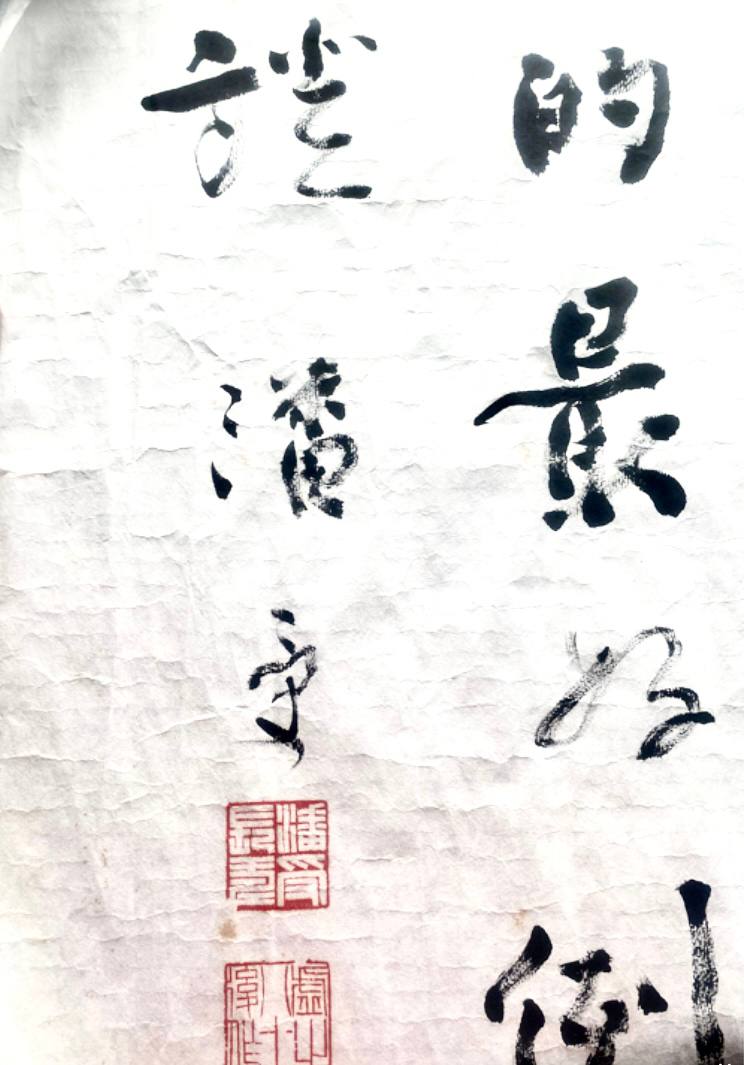
Renowned as one of Singapore’s most distinguished Chinese calligraphers and poets, Pan Shou was more than an artist — he was a bridge between tradition and modernity, intellect and emotion. His mastery of the brush transformed written language into visual poetry, reflecting a lifetime of scholarship, discipline, and grace. Each stroke carries the rhythm of his spirit — refined, deliberate, and timeless — making his works treasured by collectors across Asia and beyond.
Biography
Born in Quanzhou, Fujian, China, in 1911, Pan Shou is celebrated as one of Singapore’s greatest Chinese calligraphers and poets — a visionary who bridged tradition, intellect, and artistic expression. His journey began at the age of eight, studying kaishu under the influence of Tang dynasty masters. Over the decades, this disciplined foundation evolved into a deeply expressive style, merging classical precision with modern grace.
Before dedicating himself entirely to art, Pan Shou led an illustrious career — from newspaper editor and banker to founding secretary-general of Nanyang University — shaping the cultural and educational fabric of early Singapore. Upon retirement, he devoted his life to calligraphy and poetry, refining his mastery of xingshu, the semi-cursive script that allowed his philosophy and emotion to flow seamlessly through ink and rhythm.
Influenced by He Shaoji and the literati tradition, Pan’s works reflect not just skill, but spirit — an embodiment of harmony between strength and serenity, discipline and freedom. His poetry and brushwork speak of introspection, wisdom, and a profound respect for heritage, earning him admiration from collectors and scholars across Asia.
Today, Pan Shou’s art endures as a bridge between generations — his calligraphy a living form of poetry, his poetry a mirror of timeless thought.
Collector’s Invitation
Pan Shou’s brush dances with wisdom — every stroke a conversation between heart, culture, and eternity.
